Dental Crowns in West Perth: MiCrown® 5D
A dental crown is a custom-made cover placed over an existing tooth to help restore its shape, strength, function and appearance. A bridge can be used to replace a missing tooth by using neighbouring teeth or implants for support.
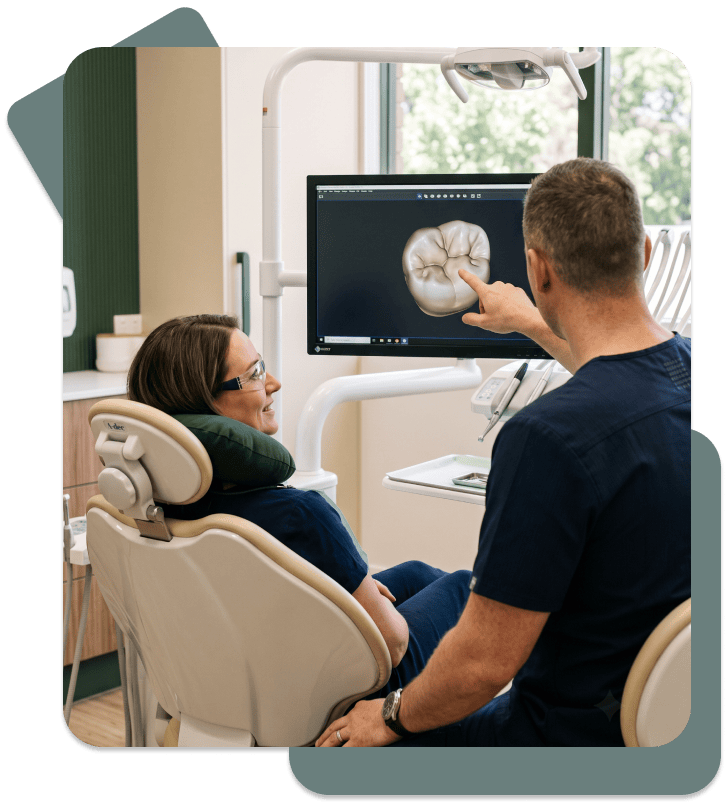
MiCrown® 5D is West Perth Dental Centre’s structured approach to assessing, planning, fitting and maintaining dental crowns and bridges. Same-day digital crowns may be available for suitable cases, while complex treatment can involve specialist prosthodontic input where clinically indicated.
The 5D Pathway: Diagnose, Design, Detail, Deliver, Defend
MiCrown® 5D is not a specific type of porcelain, ceramic or zirconia crown. It is West Perth Dental Centre’s structured approach to assessing, planning, fitting and maintaining crowns and bridges.
The five stages help you understand what is happening before, during and after restorative treatment, while allowing your dentist to adapt the plan to your tooth, bite and longer-term maintenance needs.
Diagnose
The first stage looks at why the tooth needs attention. Your dentist may assess the remaining tooth structure, symptoms, crack pattern, decay risk, gum support, previous root canal treatment, bite pressure and possible alternatives. The aim is to understand the problem before choosing the restoration.
Design
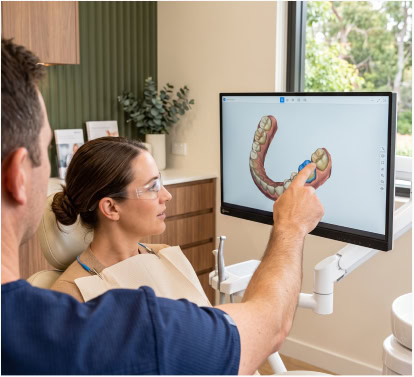
The restoration is planned around the tooth, bite, material needs, appearance, neighbouring teeth and cleaning access. Digital scans and restorative technology may assist with planning, but clinical assessment determines which treatment and workflow may be suitable.
Detail
Small details can affect how a crown or bridge feels and functions. The restoration edge, shape, shade, contact with neighbouring teeth, bite and cleaning access are considered as part of planning and fitting.
Deliver
When the crown or bridge is fitted, your dentist checks seating, contacts, bite, comfort, appearance and cleanability before finalising the restoration. You will also receive care instructions and information about any recommended review appointments.
Defend
Crowns and bridges still depend on the health of the supporting tooth, gums and surrounding mouth. Ongoing care may include tailored cleaning advice, hygiene appointments, bite reviews, monitoring for decay or gum concerns, and discussion of a night guard or splint where clinically indicated.
When Might a Dental Crown Be Discussed?
A crown may be discussed when a tooth needs more protection or coverage than a filling can predictably provide. This may include teeth with large fillings, cracks, fractures, significant wear, previous root canal treatment, or an existing crown that is loose, broken or no longer sealing well.
A crown is not automatically the right answer for every damaged tooth. Before recommending treatment, your dentist will assess the tooth, gums, bite, symptoms, remaining tooth structure, existing dental work and likely alternatives.
Common reasons for a crown assessment include:
Cracked or broken teeth
A cracked or broken tooth may need assessment of the crack pattern, symptoms, remaining tooth structure, gum support and bite forces before treatment options are discussed.
Teeth after root canal treatment
Some root canal treated teeth may require cuspal coverage or a crown, while others may be managed differently depending on remaining tooth structure, bite pressure and clinical risk.
Large or failing fillings
A heavily filled tooth may weaken over time or develop cracks around the remaining tooth structure. Your dentist can assess whether another filling, an onlay, a crown or another option may be appropriate.
Older crowns causing problems
An existing crown may need review if it has fractured, become loose, started trapping food, affected the gums, changed in bite, or shown signs of decay or wear.
Missing teeth and bridges
Before a bridge is planned, your dentist assesses the missing-tooth gap, the teeth that may support the bridge, the bite, gum health and how the area can be cleaned. Other options may also be discussed.
Implant crowns
Implant crowns require consideration of the final tooth position, bite, shape, gum emergence, neighbouring teeth, cleaning access and maintenance.
Crafted in Our
In-
House Cosmetic
Dental Lab
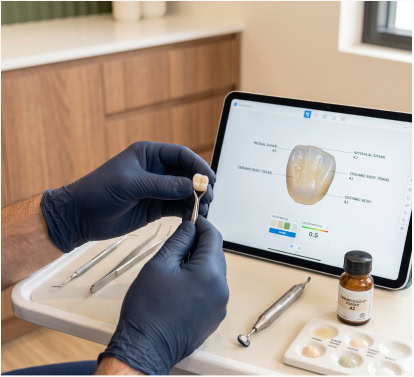
West Perth Dental Centre uses an in-house restorative workflow for selected crown and bridge cases.
Digital scans, design tools and in-house ceramic technology may support same-day crown treatment for eligible single-tooth cases. Some cases still benefit from staged planning, external laboratory work, provisional restorations or additional review appointments.

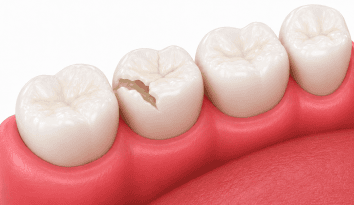
Cracked or Broken Teeth
A cracked or broken tooth may need assessment of the crack pattern, symptoms, remaining tooth structure, gum support and bite forces before treatment options are discussed. Depending on the findings, options may include monitoring, a filling, onlay, crown, root canal treatment, extraction or another pathway.
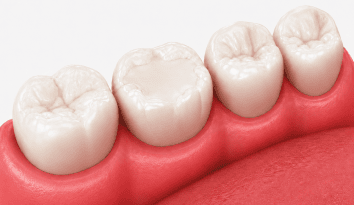
Teeth After Root Canal Treatment
After root canal treatment, the remaining tooth structure may need further restorative assessment. Some root canal treated teeth may require cuspal coverage or a crown, while others may be managed differently depending on remaining tooth structure, bite pressure and clinical risk.
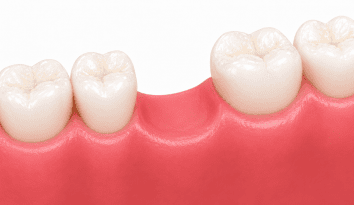
Missing Teeth and Bridges
Before a bridge is planned, your dentist assesses the missing-tooth gap, the teeth that may support the bridge, the bite, gum health and how the area can be cleaned. Other options, such as an implant or removable denture, may also be discussed depending on your needs.
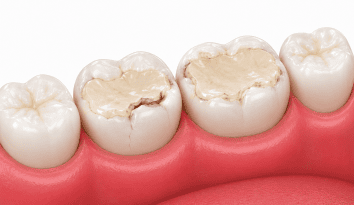
Large or Failing Fillings
A heavily filled tooth may weaken over time or develop cracks around the remaining tooth structure. Your dentist can assess whether another filling, an onlay, a crown or another option may be appropriate.
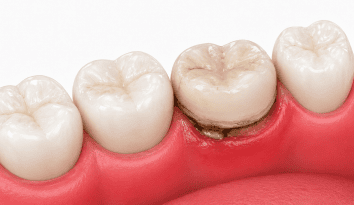
Older Crowns Causing Problems
An existing crown may need review if it has fractured, become loose, started trapping food, affected the gums, changed in bite, or shown signs of decay or wear. The dentist will assess why the crown is causing concern before discussing replacement or other treatment options.
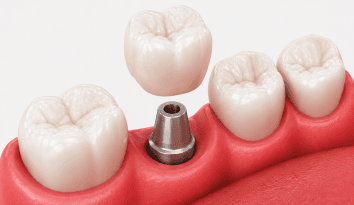
Implant Crowns
Implant crowns require consideration of the final tooth position, bite, shape, gum emergence, neighbouring teeth, cleaning access and maintenance. The crown is only one part of the implant restoration, so review and cleaning access remain important over time.

Same-Day Delivery:
Your Custom Crown
in One Visit
West Perth Dental Centre provides same-day digital crowns for eligible patients through its in-house restorative workflow.
Same-day treatment is not suitable for every tooth. Some cases may benefit from additional planning, laboratory stages, provisional restorations, specialist input or review appointments.
Same-Day Digital Crowns
Selected single-tooth cases may be suitable for digital scanning, in-house design, fabrication and placement during one appointment, subject to clinical assessment. Your dentist will confirm whether this option is suitable after assessing the tooth, bite, gums, symptoms and restorative requirements.
Staged Restorative Treatment
Staged treatment may be considered for bridges, complex aesthetic cases, multiple restorations, challenging bite conditions, root canal treated teeth, implant crowns or situations requiring additional planning.
The treatment pathway is selected according to the clinical situation, rather than automatically choosing the fastest option.
Receive First-class Care at West Perth Dental Centre
At our clinic, you'll be cared for by experienced dentists who use only the latest in dental technology. Book your appointment today!
Why Choose
West Perth Dental Centre
State-of-the-art Dental Technology
Experienced Dentists and In-House Specialists
Wide Range of Payment Options
Frequently Asked
Questions
About Dental Crowns and Micrown® 5D
What is MiCrown® 5D?
Is MiCrown® a special type of crown?
Does every broken tooth need a crown?
What happens at a crown appointment?
How to care for a crown or bridge?
Clean around the crown or bridge every day as advised by your dental team. This may include brushing, flossing, interdental brushes or special cleaning aids for bridgework.
Attend recommended dental reviews so the supporting tooth, crown margin, gums and bite can be monitored.
Tell your dentist if the crown feels loose, high in the bite, sensitive, uncomfortable, difficult to clean or if food is trapping around it.
A night guard or splint may be discussed where there are signs of grinding, clenching, bite overload, repeated fractures or risk to existing dental work.
What are the possible limitations and risks of dental crowns?
Dental crowns and bridges can help restore damaged or missing teeth, but they still have limitations. Your dentist will discuss suitability, risks, alternatives, fees and expected outcomes before treatment.
Possible risks and limitations may include post-treatment sensitivity, changes to the bite, discomfort, the crown loosening, chipping or fracturing, decay or gum problems around the crown margin, the tooth later requiring root canal treatment, repair or replacement of the restoration, and removal of some natural tooth structure during preparation.
The lifespan of a crown varies between patients. Factors may include the condition of the supporting tooth, bite forces, grinding or clenching, oral hygiene, decay risk, gum health, crown material and ongoing maintenance. No dental restoration can be guaranteed to last for a particular period.


