
MiImplant® 5D: Restorative-First Dental Implant Planning in West Perth
Dental implant treatment involves more than placing an implant. MiImplant® 5D is West Perth Dental Centre’s structured planning pathway for assessing whether an implant may be suitable, planning the final replacement tooth, explaining treatment stages and fees, and supporting long-term maintenance.
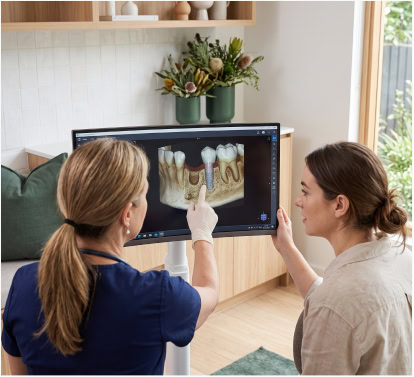
Before treatment begins, your dentist considers the intended final tooth, bite, gums, available bone, cleaning access, timing, possible temporary options, risks, alternatives and ongoing care.
Benefits of the MiImplant® 5D Pathway
Dental implant treatment is not just about placing an implant. A careful plan also considers the tooth that will be attached to it, the health of the gums and bone, your bite, cleaning access, treatment timing, possible temporary options and long-term maintenance.
MiImplant® 5D brings these steps into one clear pathway, so you can understand the plan before treatment begins.
Begins with suitability
Before recommending implant treatment, your dentist assesses the missing-tooth area, gum health, available bone, neighbouring teeth, bite, medical history and other replacement options.
Plans the final tooth first
The shape, position, bite and cleaning access of the final crown are considered before the implant position is finalised.
Clarifies the treatment stages
You are talked through the likely appointments, inclusions, exclusions, fees, risks and estimated timeline before you decide whether to proceed.
Includes long-term care
Implant care continues after the crown is fitted. Your plan may include hygiene visits, bite checks, cleaning advice, review appointments and monitoring where clinically indicated.
What You Need to Know About MiImplant® 5D
MiImplant® 5D is not a specific implant brand or one surgical technique. It is the name of West Perth Dental Centre’s implant planning pathway.
The five stages help you understand your options in plain language: diagnose the problem, design the final tooth, detail the stages and fees, deliver care in a coordinated way, and defend the result with maintenance over time.
Diagnose
This first stage looks at whether an implant may be appropriate for you. Your dentist considers the missing-tooth area, gums, available bone, neighbouring teeth, bite forces, grinding or clenching risk, medical history and alternative options. Imaging or specialist input may be recommended where clinically indicated.
Design
The final replacement tooth is planned before the implant position. This helps your dentist consider how the crown should sit in your bite, how it may look beside nearby teeth, how it emerges from the gum and how you will clean around it.
Detail
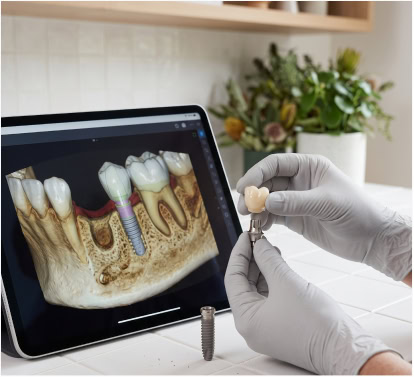
Implant treatment can involve several parts, and not every quote includes the same items. At this stage, your dentist explains the likely surgical and restorative steps, including imaging, implant placement, abutment, final crown, possible extraction or grafting, temporary-tooth options, review appointments, risks, fees and estimated timing.
Deliver
Once you have reviewed the plan and chosen to proceed, treatment is coordinated according to your clinical needs. Some cases may be managed within the clinic's usual implant process, while more complex cases may involve specialist planning or referral where appropriate.
Defend
The final crown is not the end of implant care. Long-term maintenance may include professional hygiene care, monitoring around the implant, home-cleaning guidance, radiographs where indicated, bite checks and discussion of a protective splint for selected patients.
Situations Where a
MiImplant® Consultation May Be Considered

A Single Missing Tooth
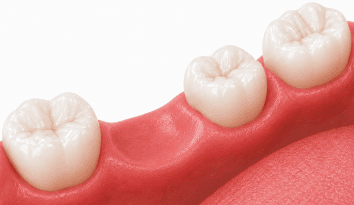
An implant-supported crown may be one option for replacing a single missing tooth without using neighbouring teeth to support a bridge.
A Failed Crown or Bridge
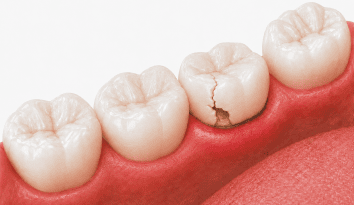
If a tooth can no longer support a crown or bridge, an implant may be discussed alongside other replacement options.
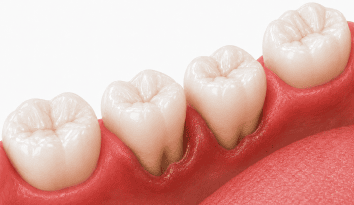
Bone or Gum Concerns
Some patients need further assessment of bone volume, gum support or possible grafting before an implant plan can be confirmed.
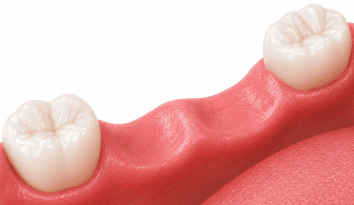
Multiple Missing Teeth
Depending on the number and position of missing teeth, your dentist may discuss implant-supported bridges, individual implants, removable options or other suitable approaches.
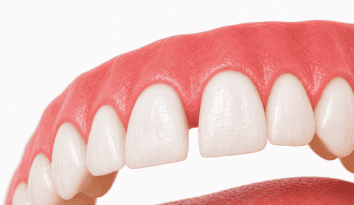
A Front-Tooth Gap
Implants in visible areas need careful planning of crown position, gum shape, neighbouring teeth and temporary-tooth options while treatment is underway.
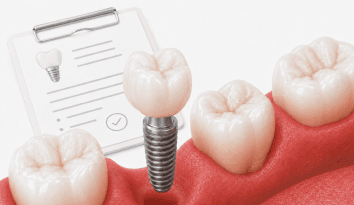
An Existing Implant Quote
If you already have an implant quote, a MiImplant® consultation can help you understand the proposed stages, inclusions, exclusions, risks, timeline and maintenance needs before comparing fees.

Specialist Prosthodontic Planning at
West Perth Dental Centre
Dr Michelle Huang
Specialist Prosthodontist
Dr Michelle Huang specialises in prosthodontic planning, smile design, implant-restorative treatment planning and complex restorative care.
Her approach is centred on creating outcomes that look natural, feel comfortable and perform beautifully—designed with function, aesthetics and long-term success in mind.
Dr Huang works closely with the clinical team to ensure every case is carefully planned and executed, supporting patients with high-quality, predictable restorative outcomes.
Before Comparing Implant Prices,
Compare the Plan
Dental implant fees can vary because treatment plans may include different procedures, components and levels of planning.
Before comparing prices, it is worth asking what is included, what may be charged separately, and what ongoing care may be needed after the crown is fitted.
Your itemised plan may discuss:
- Clinical assessment and diagnosis
- 3D imaging where clinically indicated
- Tooth extraction
- Implant placement
- Abutment
- Final implant crown
- Temporary-tooth option
- Sedation where applicable
- Review appointments
- Long-term maintenance
Your dentist will provide an itemised treatment plan based on your individual clinical needs. Not every patient requires every stage listed above.
Restorative-Led, Specialist-Supported Where Appropriate
The intended final tooth guides the implant plan.
For more straightforward cases, treatment may be managed through the clinic’s usual implant workflow. For more complex restorative, aesthetic, gum, bone or bite-related cases, specialist prosthodontic planning or another appropriate referral may be recommended.
Specialist input depends on the clinical situation and is not required for every patient.