MiSplint® 5D Bite Protection Protocol
MiSplint® 5D is West Perth Dental Centre’s structured bite-protection pathway: Diagnose, Design, Detail, Deliver and Defend.
It is designed for patients whose teeth, crowns, veneers, implants or other dental work may be exposed to grinding, clenching or bite overload.
Benefits of the MiSplint® 5D Protocol
A custom splint is more than the material placed over the teeth. Assessment, appliance design, fit, bite adjustment and ongoing reviews all contribute to how it is used and maintained.
MiSplint® 5D combines these steps in one structured bite-protection protocol.
Begins with bite-risk assessment
We assess signs of grinding, clenching, tooth wear, cracking, jaw overload and pressure on existing restorations before discussing whether a splint may be appropriate.
Designed for the individual bite
The appliance type, arch, thickness, material and bite relationship are planned according to the patient’s teeth, dental work and clinical risk profile.
Fitted and adjusted by a dentist
The splint is checked for retention, pressure areas, comfort and bite contacts before the patient begins wearing it.
Includes review and maintenance
The splint and bite may require reassessment as teeth, restorations and wear patterns change over time.
What You Need to Know About MiSplint® 5D
Diagnose
The dentist assesses signs of grinding or clenching, wear patterns, cracks, jaw symptoms, bite forces, sleep-related concerns and the condition of existing crowns, veneers, fillings or implants. This helps determine whether a splint may be suitable and whether further assessment is required.
Design
The appliance is planned around the individual teeth, bite and restorative work. The dentist considers the most appropriate arch, appliance type, thickness, material and contact pattern according to the clinical situation.
Detail
Fit, smoothness, polish, retention, comfort and bite contacts are checked as part of the appliance workflow. These details can influence how the splint feels and how consistently it can be worn.
Deliver
The splint is fitted by a dentist, checked for pressure areas and adjusted according to the bite. Patients also receive instructions about wearing, cleaning, storage and what to do if discomfort or changes occur.
Defend
The splint and bite are reviewed over time. Maintenance may include checking wear, fit and bite contacts, reassessing the appliance following new dental treatment and replacing it when clinically required.
Situations Where a
MiSplint® Assessment May Be Considered

Grinding or Clenching Signs
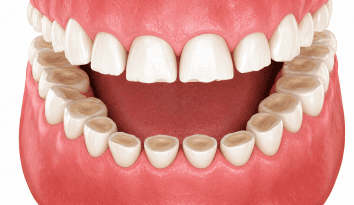
Flattened tooth surfaces, morning jaw fatigue, muscle tenderness or marks on the cheeks or tongue may indicate that further bite assessment is appropriate.

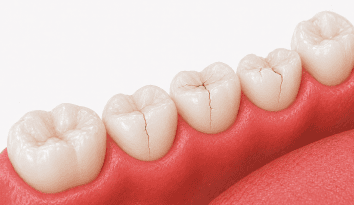
Repeatedly Cracked Teeth
Repeated fractures may indicate that teeth or restorations are being exposed to excessive forces and require broader assessment.

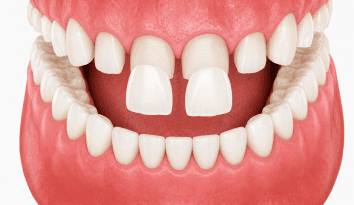
Veneers and Cosmetic Dentistry
A protective appliance may be considered where there are signs of grinding or clenching that could affect porcelain veneers or other aesthetic restorations.

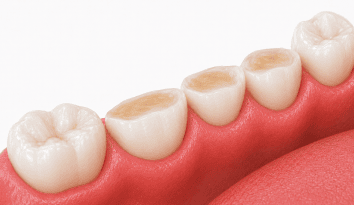
Worn Teeth
Shortened, thinning or chipped teeth can be associated with several factors, including grinding, clenching, erosion or bite-related wear.
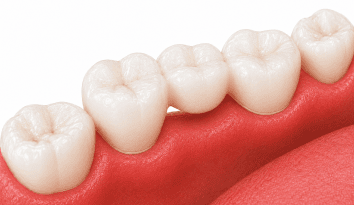
Crowns and Bridges
For selected patients with bite-overload risk, a splint may be discussed as part of maintaining crown or bridge treatment.
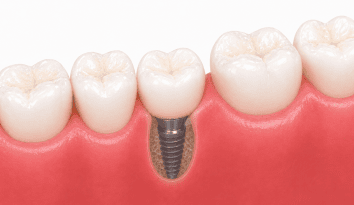
Implant Restorations
For selected implant patients, bite monitoring and a protective splint may help manage forces affecting the implant crown and opposing teeth.

What a MiSplint®
May—and May Not—Do
May help
- Provide a physical barrier between opposing teeth
- Help reduce direct tooth-on-tooth wear
- Help protect selected crowns, veneers and restorations
- Distribute bite forces according to the appliance design
- Support monitoring of grinding-related wear
Does not guarantee
- That grinding or clenching will stop
- That all future cracks will be prevented
- A cure for TMD or TMJ disorders
- Permanent relief from jaw symptoms
- That every patient with grinding signs needs a splint
Jaw pain, headaches and temporomandibular concerns can have several causes. Assessment is required before recommending treatment, and additional medical or dental referral may sometimes be appropriate.
Digitally Planned, Clinically Fitted
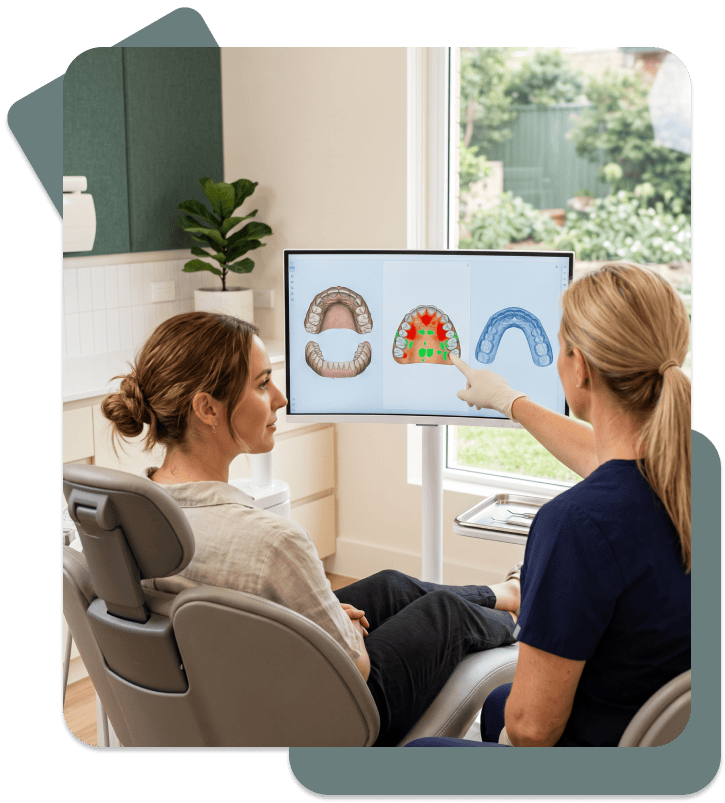
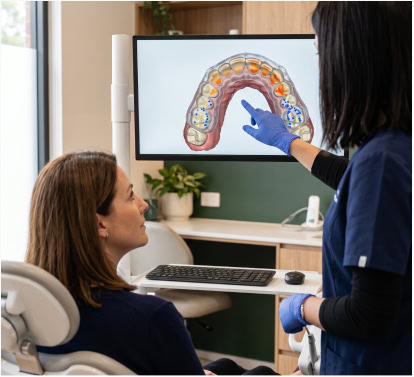
Where appropriate, digital scans may be used to record the teeth and support appliance design.
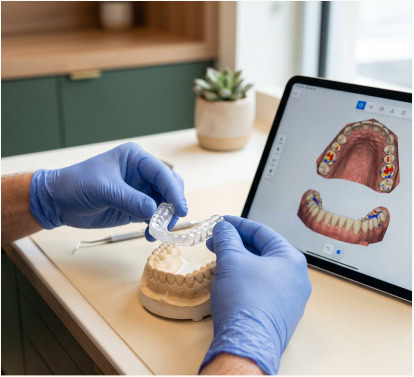
The finished splint is then checked and adjusted by a dentist. The digital workflow supports appliance production, but the clinical fitting and bite review remain important parts of treatment.
Digital planning
Records the shape and position of the teeth without relying solely on a traditional impression.
Clinical adjustment
Checks fit, pressure areas, retention and how the splint meets the opposing teeth.
Receive First-class Care at West Perth Dental Centre
At our clinic, you'll be cared for by experienced dentists who use only the latest in dental technology. Book your appointment today!
Why Choose
West Perth Dental Centre
State-of-the-art Dental Technology
Experienced Dentists and In-House Specialists
Wide Range of Payment Options
FREQUENTLY ASKED QUESTIONS
ABOUT MiSplint®
What is MiSplint® 5D?
Is MiSplint® the same as a nightguard?
Does a splint stop teeth grinding?
Can a splint cure TMJ problems?
Temporomandibular disorders can have several causes, and no single appliance is suitable for every patient.
A splint may form part of conservative management in selected cases, but assessment is required before treatment is recommended.
How will I know if I grind my teeth?
Possible signs include worn or chipped teeth, cracked restorations, morning jaw fatigue, muscle tenderness, cheek or tongue marks and reports of grinding noises during sleep.
These signs are not diagnostic by themselves and should be assessed by a dentist.
How often should a splint be worn?
How should I clean my MiSplint®?
Rinse it after use and clean it according to the instructions provided by the dental team. Avoid hot water, which may distort some appliance materials.
Store it in its case and bring it to relevant review appointments.