Custom Splints, Planned Digitally
A dental splint can help protect your teeth and support your bite when grinding, clenching or other bite-related concerns are present.
At West Perth Dental Centre, digital scanning and design technology can be used to plan custom splints around your individual teeth and bite.
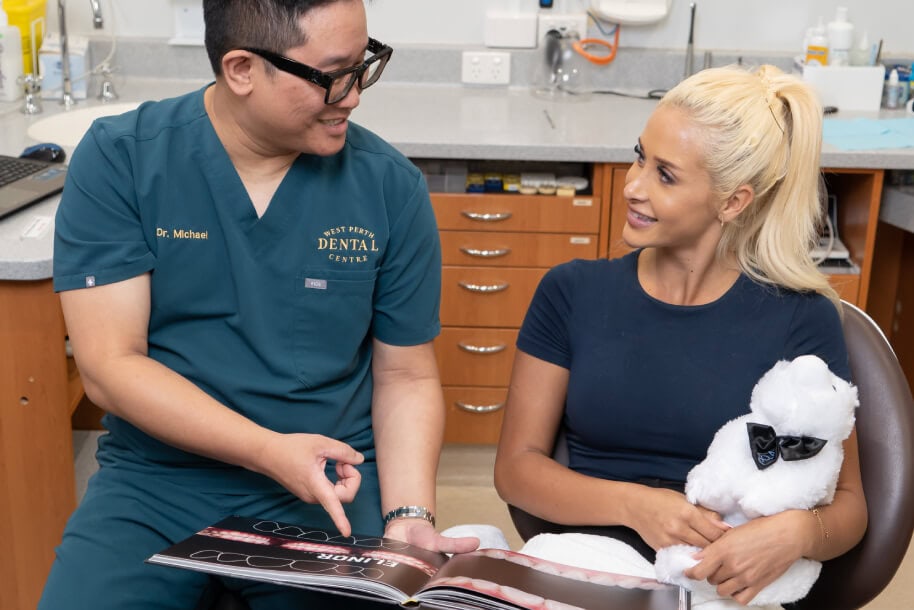
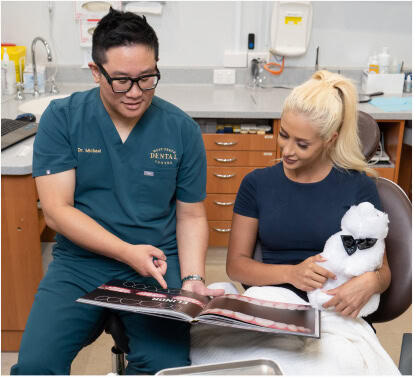
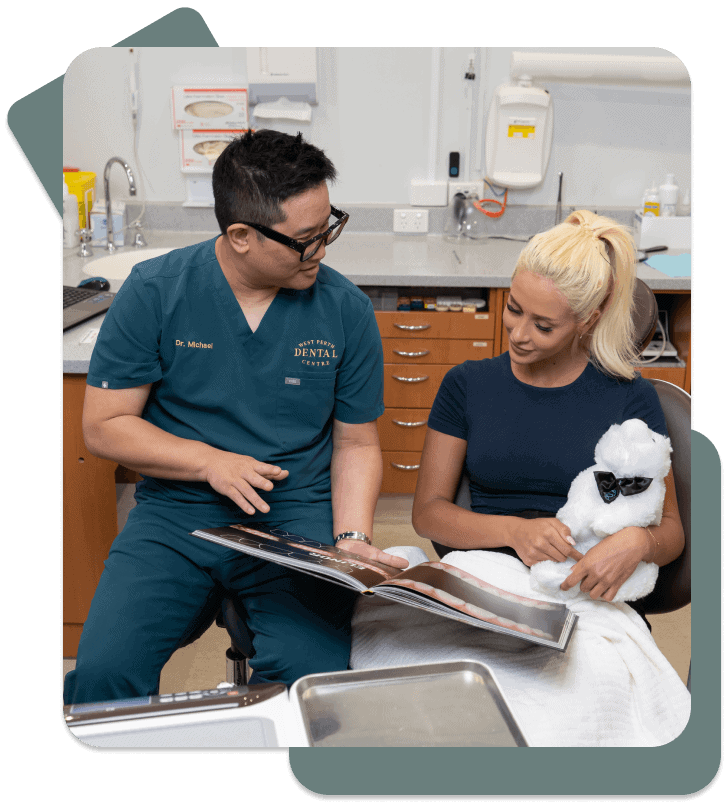
Your dentist will first assess your symptoms, jaw movement and dental needs before recommending whether a splint is suitable for you.
What Is a Digital Dental Splint?
A dental splint is a custom-made appliance designed to fit over your teeth.
Unlike a store-bought guard, a custom splint is planned around your individual bite and the way your teeth come together.
With a digital workflow, detailed scans of your teeth and bite can be used to design the appliance before it is produced and carefully checked by your dentist.
Splints may be recommended for different reasons, including managing the effects of grinding or clenching and protecting teeth from excessive wear.
How Your Digital Splint Is Created
Scan
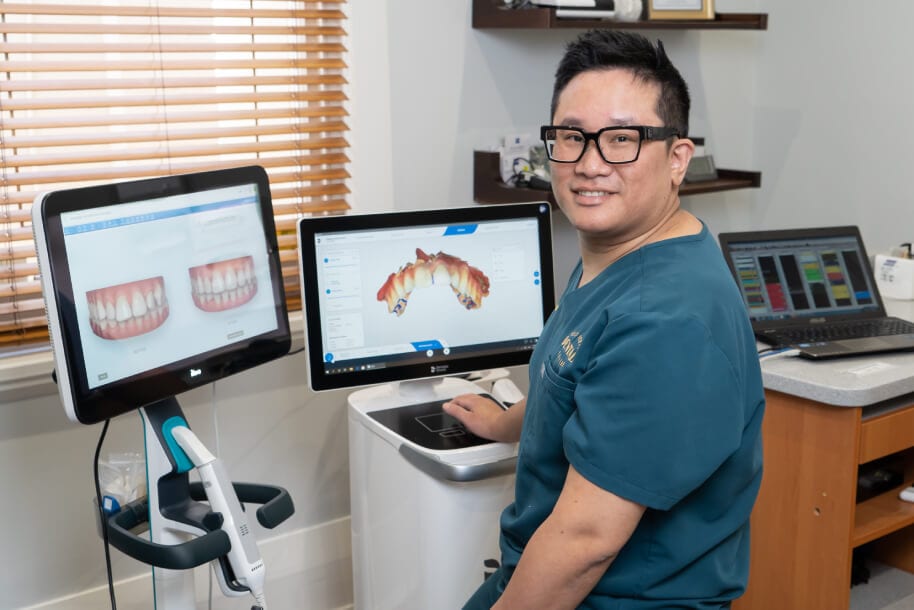
A digital scanner captures detailed records of your teeth, helping create an accurate digital model without relying solely on traditional impressions.
Record Your Bite
Your dentist records how your teeth come together and may assess your jaw movement and other clinical information relevant to your treatment.
Design
Your digital records are used to plan the shape and fit of your splint around your individual teeth and bite.
Create
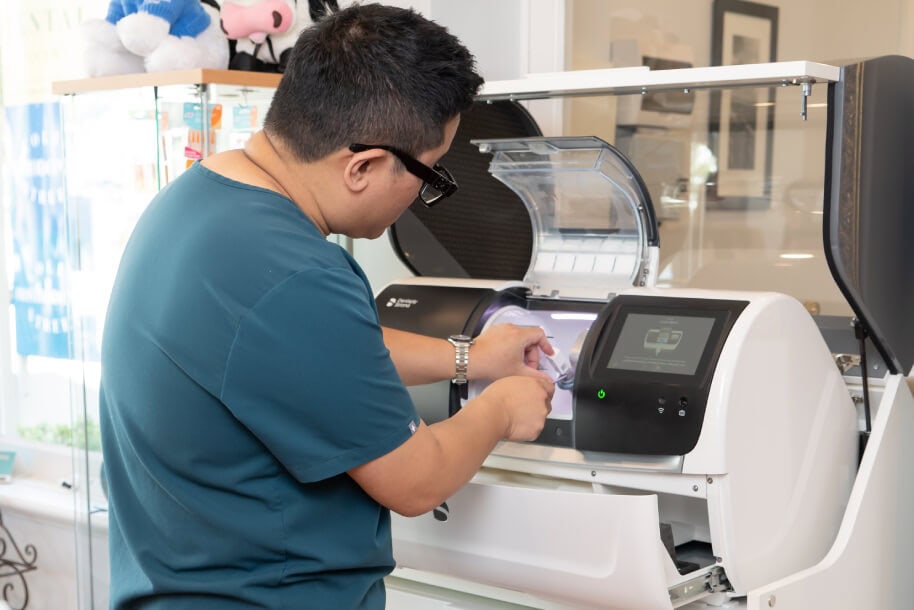
The splint is produced using the appropriate digital workflow and then carefully cleaned, finished and prepared for fitting.
Fit & Review
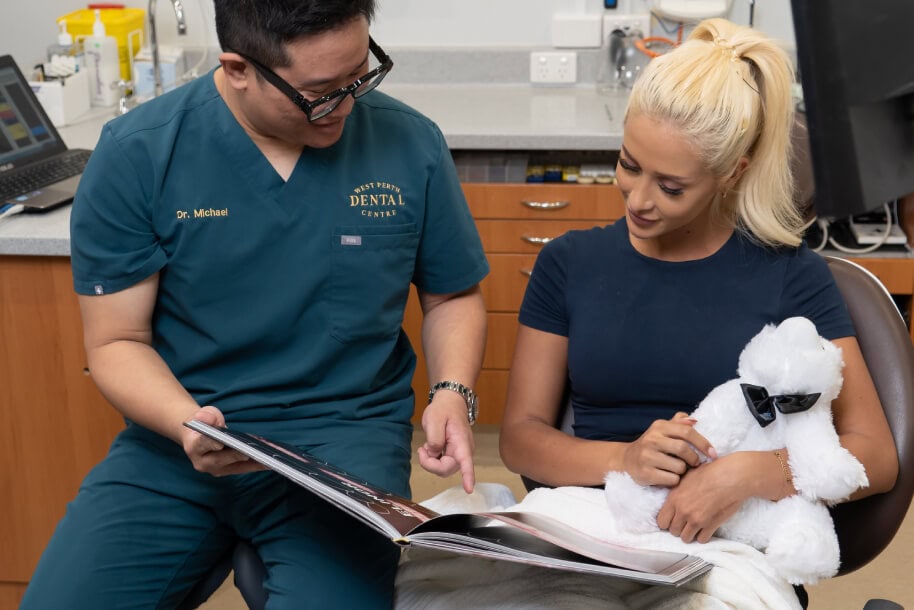
Your dentist checks how the splint sits over your teeth and how your bite feels with it in place. Adjustments can be made where needed, and your dentist will explain how to wear and care for the appliance.
More Than a Store-Bought Guard
Your dentist can assess where your teeth contact, how your bite functions and whether a particular type of appliance may be appropriate for you.
Depending on your needs, a splint may help:
- Protect teeth from the effects of grinding or clenching
- Reduce direct contact between opposing teeth
- Support teeth that are showing signs of wear
- Provide a carefully planned appliance for your individual bite
A splint does not stop every person from grinding or clenching, and it should not be viewed as a cure for jaw joint problems. Your dentist will explain what the appliance is intended to do in your particular situation.
Find Out Whether a Splint May Be Suitable for You
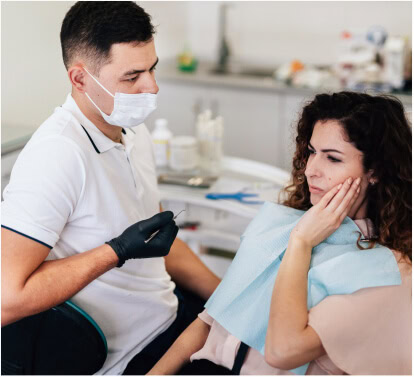
If you grind or clench your teeth, our dentists can assess your bite and discuss whether a custom splint may be suitable.
Digital Technology Supporting Your Splint
Digital Scanning
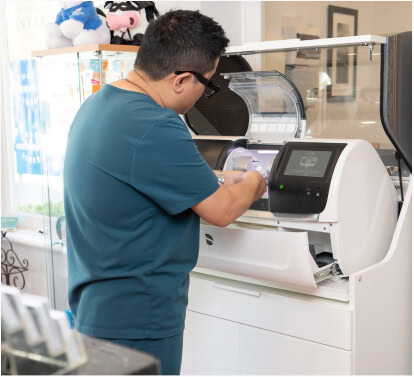
Our Primescan intraoral scanner creates a detailed digital model of your teeth and bite for treatment planning.
Bite Records
Bite registration and jaw-recording tools help your dentist understand how your upper and lower teeth meet before the splint is designed.
Digital Design
The appliance is planned using dedicated CAD splint and appliance design software, around your individual dental records.
3D Printing & Finishing
Selected splints are produced using Primeprint and Primeprint PPU, followed by validated washing, curing and post-processing, finishing and polishing — then clinical fit and bite-adjustment checks before fitting.
Why Choose
West Perth Dental Centre
State-of-the-art Dental Technology
Experienced Dentists and In-House Specialists
Wide Range of Payment Options
FREQUENTLY ASKED QUESTIONS
ABOUT Digital Splints
What is a digital dental splint?
A digital dental splint is a custom appliance planned using digital scans and bite records. It is designed to fit your individual teeth and is checked by your dentist before use.
Is a custom splint different from a store-bought night guard?
Yes. A custom splint is designed around your individual teeth and bite, while store-bought guards generally use a standard or self-moulded shape.
Can a splint stop teeth grinding?
A splint may help protect the teeth from the effects of grinding or clenching, but it does not necessarily stop the habit itself.
Can a splint help with jaw pain or TMD?
A splint may be considered for some patients with bite or jaw-related concerns, but it is not a guaranteed treatment or cure for TMD. Your dentist will assess the cause of your symptoms before recommending an appliance.
Are digital splints 3D printed?
Selected splints may be produced using 3D-printing technology as part of the digital workflow. The exact process depends on the type of appliance being made.
Will I need a scan of my teeth?
Digital scanning is commonly used to capture the shape of your teeth and bite when planning a digital splint.
Can my splint be reprinted if I lose it?
In some cases, existing digital records may assist with producing another appliance, but your dentist may need to reassess your teeth and bite first.
Are digital splints made on the same day?
Timing depends on the type of splint, the production process and your clinical needs. Your dental team will let you know how long your appliance is expected to take.