
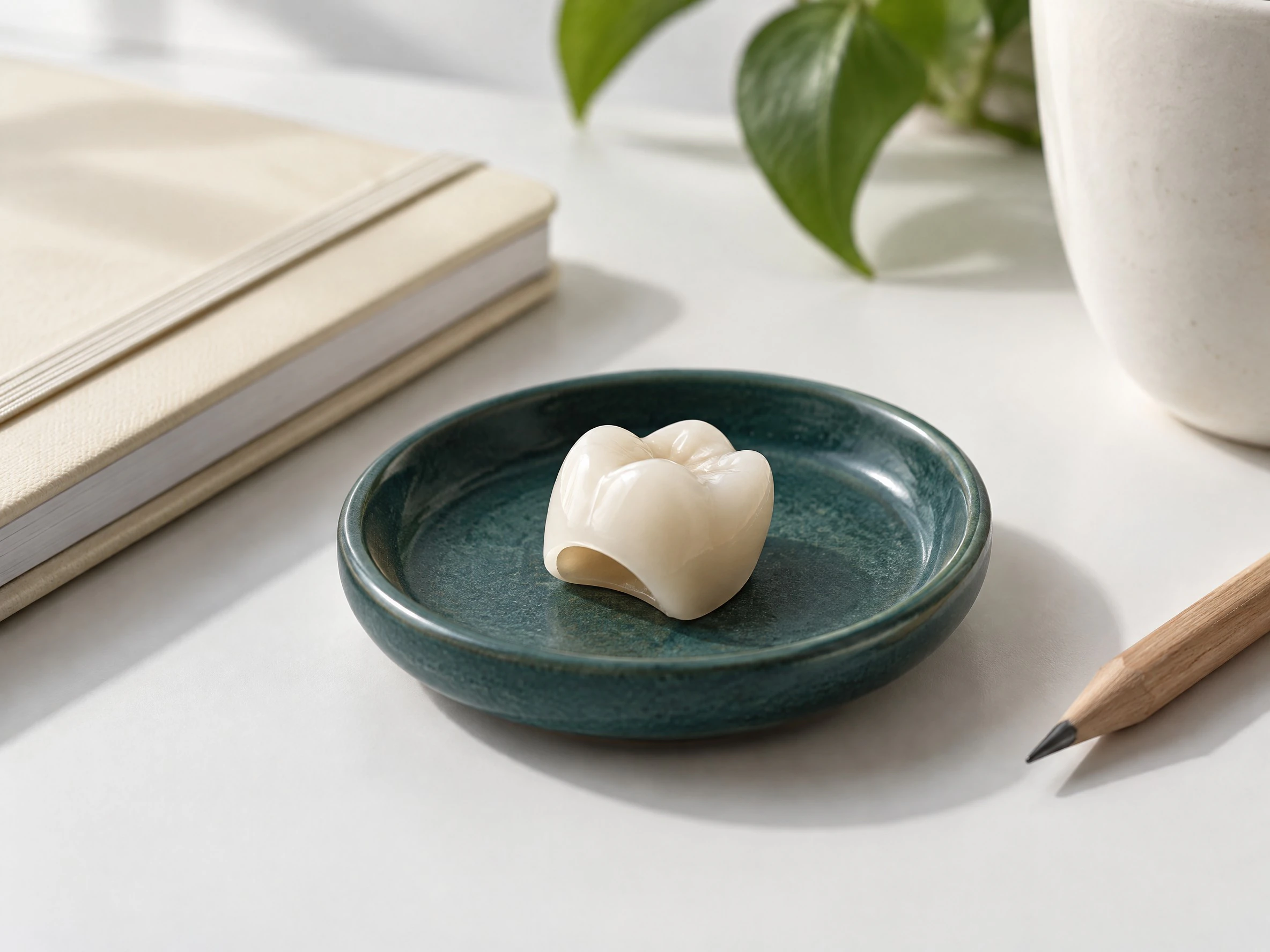
If you have been told you may need a crown after root canal treatment, ask for a plan that includes both stages. Cleaning and filling the canals is one part; restoring the tooth above them is another. Root canal treatment can need more than one visit, and the crown may involve further appointments. The total depends on your tooth and the restoration it needs.
At West Perth Dental Centre, a crown is not automatic after every root canal. We assess the remaining tooth structure, bite pressure and clinical risk before recommending how to restore it. Our crown assessment pathway includes both same-day options for suitable teeth and staged treatment where needed.
This is a guide to planning the restorative stage, not a timetable for your individual tooth. Ask your dentist what has already been completed, what is still temporary and what the next appointment is for.
The appointment count: what are you counting?
A root canal appointment and a crown appointment do different jobs. Root canal treatment removes damaged or infected pulp from inside the tooth, cleans and shapes the canals, and seals them with filling material. The final restoration then seals and restores the part of the tooth used for biting.
The Better Health Channel explains that root canal treatment may need more than one visit, depending on how difficult the procedure is. Cleaning and disinfecting the canals can require repeated stages. Your dentist can explain the sequence for your tooth after examination and X-rays.
For a conventional crown, our same-day and lab-made crown guide describes preparation and a scan or impression at one appointment, then fitting the laboratory-made crown at another. Selected digital crowns can be made and fitted in one visit. Those descriptions concern the crown stage; they are not a promise to complete all root canal and restorative care in that visit.
When discussing time away from work, ask the team to separate the remaining root canal visits, the restoration appointments and any recommended reviews. Our digital-crown information notes that appointment length varies with the tooth and treatment required.
Does every root canal treated tooth need a crown?
No. The amount of tooth left and the forces on it matter. Our crown guidance explains that some root canal treated teeth need coverage over the biting cusps or a crown, while others may be managed differently. A filling or an onlay may be considered for a heavily filled tooth, depending on the assessment.
The Better Health Channel also notes that teeth needing root canal treatment may already have lost substantial structure through decay or cracks. Further protection can be needed after the canals are filled. Ask your dentist which part of your tooth needs support and why the proposed restoration suits it.
Useful questions are: “How much tooth remains?”, “What alternatives are appropriate?” and “What are the limitations of each option?” These fit our assessment approach, which considers symptoms, gums, existing dental work, bite and remaining tooth structure before treatment is recommended.
What is temporary between appointments?
A temporary filling and a temporary crown are not the same thing. A filling closes an opening in the tooth; a crown covers the prepared tooth. Our root canal page describes filling and sealing the canals, while our crown guide describes a temporary crown over the reshaped tooth during laboratory stages.
Before leaving, ask the dentist to name the restoration you currently have and explain its care instructions. A tooth being treated in stages may still need further disinfection, canal filling or a final restoration. The Better Health Channel describes these as separate aims of root canal care.
Follow the chewing advice given for your tooth. Our root canal guidance recommends avoiding biting on the treated tooth while it is healing and avoiding hard or crunchy foods that may dislodge a temporary filling or restoration. Ask when those restrictions can change rather than using a general number of days.
If a filling or temporary crown comes out, contact the dentist for instructions and assessment. Our lost fillings and crowns information recommends dental assessment even when the tooth is not painful.
When can the final crown be fitted?
There is no single interval in this article that can tell you when your tooth is ready. Root canal treatment can involve repeated cleaning and disinfection, and the exact procedure varies. Our crown pathway also lists root canal treated teeth among the situations that may need staged restorative planning.
Ask whether the next visit is to continue the root canal, assess the tooth for restoration, prepare the crown or fit it. If a gap between visits is planned, ask why, how to care for the tooth and when to return. The treatment sequence should be explained for your tooth rather than assumed from someone else’s experience.
Could a same-day digital crown reduce the crown visits?
It may be an option after assessment, but not for every tooth. Our digital crown workflow brings scanning, design, ceramic milling, finishing and fitting into the clinic for selected cases. Your dentist checks the fit and bite before placement.
Other teeth need additional planning, temporary restorations, laboratory stages or further appointments. The condition of the tooth, bite, gums, symptoms and restorative requirements guide the decision. The availability of digital technology does not establish that a root canal treated tooth is ready for a crown.
What risks and alternatives should the plan cover?
A crown requires removal of some natural tooth structure during preparation. Possible problems include discomfort, bite changes, loosening, chipping or fracture, and decay or gum concerns around its edge. Repair or replacement may be needed later. These are among the limitations described on our crown page.
Root canal treatment also has limits. Infection can persist or spread if it is not managed, and some teeth may ultimately need removal. Discuss whether the tooth can be restored, the proposed treatment’s risks and the alternatives, including extraction where appropriate. Our crown page includes extraction among possible pathways for damaged teeth; the Better Health Channel describes the complications of untreated pulp infection.
After a crown is fitted, follow the cleaning advice and attend the reviews recommended for your situation. Tell the dentist if it feels loose, high in your bite, uncomfortable or difficult to clean. Our guide to a crown that feels high when biting explains what to report.
Questions to take to your next visit
- Is the root canal treatment complete, or does it still need another stage?
- Is the current restoration temporary, and how should I eat and clean around it?
- Why are you recommending a crown, an onlay or a filling for this tooth?
- Is a same-day crown suitable, or is staged treatment more appropriate?
- What are the risks, alternatives, expected fees and recommended review visits?
To discuss your next steps, use our contact page and tell the team that you are planning a restoration after root canal treatment. You can also read about our root canal service before the appointment.
By Dr. Michael Wu (Dentist), West Perth Dental Centre.
Sources
Sources checked 9 November 2026. This article provides general education from published guidance, not a diagnosis or an individual treatment timetable. Your dentist needs to assess suitability, risks and alternatives for your tooth.
- Better Health Channel: root canal treatment — stages, assessment and complications; reviewed 14 July 2025.
- Reference: www.betterhealth.vic.gov.au. Original wording has been written for this article; no source illustrations are reproduced.
- West Perth Dental Centre: root canal treatment, crown assessment and limitations, and digital crown suitability and workflow.
- West Perth Dental Centre: same-day and lab-made crown appointments, lost restorations, and author profile.


 General Dentistry
 Cosmetic Dentistry
 Emergency Dentist
 Dental Implants
 Orthodontics
 Restorative Dentistry
 Trademarked Treatment
 Digital Dentistry